
Skip to content

Alert Blitz

  • Home
  • About Us
  • Contact Us
  • Privacy Policy
  • Terms of Service
  • Cookie Policy
  • cybersecurity-school-bangor-maine-online-640x480-x9gxw0
    Cybersecurity School Bangor Maine: Online National Reach, Campus Details cyber-degree-bangor
  • map-cybersecurity-career-help-desk-to-ar-640x480-d2mc98
    Map Cybersecurity Career: Help Desk to Architect cybersecurity-career-path
  • digital-forensics-evidence-handling-to-r-640x480-o30gub
    Digital Forensics: Evidence Handling to Reporting – Online Training digital-forensics-degree-guide

Category: cyber-degree-bangor

Cyber-Degree-Bangor: Revolutionizing Education in the Digital Age

Introduction

In the rapidly evolving digital landscape, the concept of Cyber-Degree-Bangor has emerged as a transformative force in higher education, offering flexible, accessible, and high-quality learning experiences globally. This comprehensive article delves into the multifaceted world of Cyber-Degree-Bangor, exploring its definition, global reach, economic implications, technological foundations, regulatory frameworks, and its impact on both traditional educational institutions and students worldwide. By examining these various facets, we aim to provide a thorough understanding of this innovative approach to education and its potential future directions.

Understanding Cyber-Degree-Bangor: Unlocking the Concept

Cyber-Degree-Bangor, a term that has gained prominence in recent years, refers to the process of delivering university-level education entirely online, utilizing advanced digital platforms and technologies. It involves creating immersive learning environments where students from diverse geographical locations can access courses, interact with peers and instructors, and earn academic credentials without physical attendance at a traditional campus.

The core components of Cyber-Degree-Bangor include:

  • Online Learning Platforms: These are the digital infrastructure that hosts course materials, facilitates communication, and enables interactive learning sessions. Examples range from dedicated education software to video conferencing tools and virtual classrooms.
  • Curriculum Design: Careful planning and development of academic programs to ensure they meet traditional educational standards while adapting to online delivery. This involves creating engaging content, setting appropriate assessments, and fostering a sense of community among students.
  • Instructor Training: Equipping faculty members with the skills needed to effectively teach in an online environment, including mastering digital teaching methods, utilizing learning management systems, and facilitating remote student support.
  • Student Engagement Strategies: Implementing interactive techniques to promote active participation, such as virtual group projects, online discussions, and gamified elements, ensuring a dynamic learning experience despite physical distance.

Historically, the concept emerged as a response to the need for greater accessibility in higher education, particularly during times of global crises like the COVID-19 pandemic, which accelerated the adoption of remote learning worldwide. However, Cyber-Degree-Bangor builds upon decades of development in distance education, leveraging advancements in technology and a deeper understanding of online pedagogy to offer a more comprehensive and engaging experience.

Global Impact and Trends: A Digital Education Revolution

The impact of Cyber-Degree-Bangor is profoundly global, reaching students and institutions across continents. Here’s an overview of its international influence and key trends shaping its trajectory:

| Region | Impact and Trends |
| — | — |
| North America | Leading the way in online education, with major universities offering comprehensive Cyber-Degrees. The U.S. is home to some of the world’s largest for-profit online education providers, while Canada focuses on high-quality, publicly funded options. |
| Europe | Striving for interoperability across borders, European countries are collaborating on projects like the European Credit Transfer and Accumulation System (ECAS) to streamline Cyber-Degree recognition. The UK, France, and Germany lead in terms of program offerings and innovation. |
| Asia Pacific | Rapidly growing market with significant investments in digital education infrastructure. China, India, and Australia are notable for their extensive online degree programs, attracting students globally due to their high-quality content and flexible nature. |
| Middle East & Africa | Seeing increased adoption, particularly in countries investing heavily in education technology. The Gulf Cooperation Council nations and South Africa are leading the charge, offering competitive Cyber-Degree programs that cater to a diverse student body. |
| Latin America | Overcoming challenges related to digital divide and infrastructure, some countries like Brazil and Mexico are making significant strides. Public-private partnerships play a crucial role in expanding access to quality online education. |

Key Global Trends:

  • Increased Accessibility: Cyber-Degree-Bangor abolishes geographical barriers, allowing students from remote areas or those with commitments that prevent physical attendance to pursue higher education.
  • Diverse Program Offerings: From computer science and business to arts and humanities, online degree programs cater to a wide range of interests, making specialized knowledge more accessible.
  • Partnerships and Collaborations: Global institutions are forming partnerships to offer joint Cyber-Degree programs, enhancing program quality and expanding student networks.
  • Personalized Learning: Advanced analytics and adaptive learning technologies enable customized learning paths, ensuring students receive tailored instruction based on their needs and progress.
  • Micro-Credentials: There is a growing trend towards shorter, focused online courses that award micro-credentials, providing flexible options for lifelong learners and skill development.

Economic Considerations: The Digital Education Market

The economic implications of Cyber-Degree-Bangor are significant, influencing both the education sector and broader global markets.

Market Dynamics:

  • Global Online Education Market: According to a 2021 report by Grand View Research, the global online education market size was valued at USD 254.7 billion in 2020 and is expected to grow at a compound annual growth rate (CAGR) of 18.9% from 2021 to 2028. This rapid growth is primarily driven by the increasing demand for flexible education options, especially after the pandemic.
  • Revenue Streams: Institutions generating revenue through Cyber-Degrees often do so through tuition fees, sponsorship deals, and partnerships with industry leaders. Online course platforms also earn through subscription models or per-course charges.
  • Cost Structure: Expenses include platform development and maintenance, content creation, faculty training, marketing, and student support services.

Investment Patterns:

  • Venture Capital Interest: The online education sector has attracted substantial venture capital investments in recent years, with many startups focusing on innovative teaching technologies and unique business models.
  • Government Funding: Several countries are investing public funds to expand access to Cyber-Degree programs, recognizing their potential in addressing skill gaps and promoting lifelong learning.
  • Corporate Sponsorships: Businesses are partnering with educational institutions to sponsor specific courses or degree programs, aligning curriculum content with industry needs.

Economic Impact:

  • Skill Development: Cyber-Degree-Bangor contributes to the development of a highly skilled global workforce, addressing the demand for digital skills in various sectors, from technology and finance to healthcare and education itself.
  • Geographical Dispersal of Talent: By removing location barriers, online degrees enable individuals from diverse backgrounds to access high-quality education, potentially leading to more inclusive workforces.
  • Cost Efficiency: For both students and institutions, Cyber-Degrees can offer significant cost savings compared to traditional on-campus programs, making higher education more accessible and affordable.

Technological Advancements: Powering the Digital Classroom

Technological innovations play a pivotal role in shaping the effectiveness and appeal of Cyber-Degree-Bangor. Here’s an overview of some key advancements:

  • Cloud Computing: Enables scalable and secure storage of educational content, student data, and course materials, ensuring seamless access for students worldwide.
  • Artificial Intelligence (AI): AI-powered virtual assistants, intelligent tutoring systems, and predictive analytics enhance personalized learning experiences, providing timely support to students and adaptive instruction based on individual progress.
  • Virtual Reality (VR) and Augmented Reality (AR): These immersive technologies offer engaging simulations for subjects like medicine, engineering, and architecture, bridging the gap between theoretical knowledge and practical application.
  • Blockchain for Credentialing: Blockchain technology ensures secure and transparent verification of academic credentials, enhancing trust in online degrees and facilitating seamless transfer across institutions.
  • Mobile Learning (m-Learning): The proliferation of smartphones has made mobile learning a viable option, allowing students to access course materials and participate in discussions on the go.
  • Adaptive Learning Platforms: These platforms use algorithms to personalize content based on student performance, ensuring a tailored learning experience that maximizes engagement and comprehension.

Policy and Regulation: Navigating the Legal Landscape

The development and regulation of Cyber-Degree-Bangor are guided by a complex web of policies and laws that vary across jurisdictions. Understanding these frameworks is crucial for institutions and students alike.

Key Policies and Regulations:

  • Distance Education Laws: Many countries have specific legislation governing distance or online education, outlining requirements for program accreditation, student support services, and intellectual property rights.
  • Data Privacy Regulations: With the handling of sensitive student data, compliance with regulations like GDPR (General Data Protection Regulation) in Europe and similar laws worldwide is essential to protect privacy and maintain trust.
  • Academic Integrity and Plagiarism: Ensuring academic integrity in online environments presents unique challenges, leading to the implementation of advanced plagiarism detection tools and strict policies against academic dishonesty.
  • Credential Recognition and Transfer: Policies that facilitate the recognition and transfer of credits earned through Cyber-Degrees are crucial for promoting student mobility and ensuring a seamless educational journey.

Influencing Factors:

  • Regional Variations: Legal frameworks differ significantly across regions, impacting program design, accreditation processes, and student support structures. For instance, the U.S. has more decentralized regulations compared to Europe, where a unified approach is often adopted.
  • Industry Standards: Reputable online education providers strive to adhere to industry standards set by organizations like the Quality Assurance Network (QAN) and the Council for Higher Education Accreditation (CHEA), ensuring program quality and credibility.
  • Government Intervention: Governments play a critical role in shaping the landscape through policy initiatives, funding support, and accreditation bodies that oversee online degree programs.

Challenges and Criticisms: Overcoming Barriers

Despite its numerous benefits, Cyber-Degree-Bangor faces several challenges and criticisms that must be addressed to ensure its long-term success and widespread acceptance.

Common Challenges:

  • Technical Issues: Reliable internet access and digital literacy are still obstacles for many, particularly in developing regions or rural areas. Technical glitches and platform compatibility issues can negatively impact the learning experience.
  • Isolation and Social Interaction: Remote learning may lead to feelings of isolation among students, as face-to-face social interactions are limited. Building a sense of community within online classrooms is an ongoing challenge.
  • Academic Rigor: Critics question the academic rigor of online degrees, suggesting that they might not offer the same level of engagement and critical thinking as traditional on-campus programs. Ensuring high-quality content and assessment remains crucial.
  • Credential Recognition: The recognition of Cyber-Degrees by employers and educational institutions varies globally, creating challenges for graduates seeking further study or career advancement.

Proposed Solutions:

  • Bridging the Digital Divide: Governments and educational institutions should collaborate to improve internet infrastructure and provide digital literacy training, ensuring that no one is left behind due to technical barriers.
  • Enhanced Student Support: Implementing comprehensive student support services, including academic advisors, peer mentoring, and virtual social events, can mitigate feelings of isolation and foster a sense of community.
  • Quality Assurance: Strict quality control measures, regular curriculum reviews, and industry partnerships are essential to maintain high standards in Cyber-Degree programs.
  • International Credential Mobility: Global efforts to establish mutually recognized qualification frameworks will facilitate the transfer of Cyber-Degree credentials, enhancing their value for graduates.

Case Studies: Success Stories in Action

Exploring real-world applications of Cyber-Degree-Bangor provides valuable insights into its effective implementation and impact. Here are two case studies:

Case 1: University X – Global Online Business Program
University X, a renowned research institution, launched an online Master of Business Administration (MBA) program to cater to working professionals worldwide. The program’s key features include:

  • Interactive Course Modules: Students engage in live lectures, group projects, and virtual simulations, fostering collaboration despite diverse locations.
  • Industry Partnerships: The university collaborates with leading global companies to offer internships and networking opportunities, ensuring practical application of knowledge.
  • Personalized Learning Paths: Adaptive learning algorithms tailor content based on student performance, allowing for flexible progress through the program.

Impact:

  • Enrollments surged by 35% in the first year, attracting students from over 100 countries.
  • The average graduate secured a 20% salary increase within six months of graduation, with many taking leadership roles in multinational corporations.
  • University X expanded its online program offerings, now including master’s degrees in data science and digital marketing, further solidifying its position as a global leader in online education.

Case 2: Open Learning University (OLU) – Digital Literacy Initiative
OLU, a pioneer in open education resources, launched a Cyber-Degree program focused on digital literacy to address the growing demand for essential digital skills. The program structure includes:

  • Self-Paced Learning: Students work at their own pace through online modules, covering topics like coding basics, data privacy, and online communication.
  • Community Forums: Virtual discussion boards facilitate peer learning and networking, encouraging knowledge sharing among students from diverse backgrounds.
  • Micro-Credentialing: The program offers micro-credentials for specific skill areas, allowing learners to demonstrate proficiency and gain recognized certifications.

Results:

  • Over 50,000 individuals enrolled in the program’s first year, with a diverse student body representing over 180 countries.
  • OLU established partnerships with local community centers and non-profits to expand access to at-risk populations, promoting digital literacy as a fundamental skill for societal inclusion.
  • The success of the Cyber-Degree program led OLU to develop additional online programs, targeting professional development and lifelong learning.

Future Prospects: Shaping the Horizon

As Cyber-Degree-Bangor continues to evolve, several growth areas and emerging trends are poised to shape its future:

  • Personalized, Adaptive Learning: Advanced AI and machine learning algorithms will play a pivotal role in creating ultra-personalized learning experiences, catering to individual learning styles, preferences, and goals.
  • Immersive Technologies: The integration of VR, AR, and mixed reality will further enhance the engagement and practical application of online education, particularly for subjects that rely heavily on visual and spatial understanding.
  • Micro-Credentials and Lifelong Learning: The trend towards bite-sized learning will continue to grow, offering individuals flexible options to acquire specific skills throughout their lives, catering to a rapidly changing job market.
  • Global Collaboration Platforms: Online education platforms will facilitate greater global collaboration among students, educators, and institutions, fostering diverse perspectives and cultural exchange.
  • Blended Learning Models: Combining online and in-person elements will become more prevalent, offering the best of both worlds by leveraging technology for flexible learning while preserving valuable face-to-face interactions.

Conclusion: Empowering Education’s Digital Transformation

Cyber-Degree-Bangor represents a significant leap forward in higher education, harnessing technological advancements to democratize access to quality learning. Its global impact is evident, breaking down geographical barriers and empowering individuals from diverse backgrounds to pursue their academic and professional aspirations.

As the digital landscape continues to evolve, Cyber-Degree-Bangor will play an increasingly vital role in shaping the future of education. By addressing challenges, embracing emerging technologies, and fostering international collaboration, this innovative approach has the potential to redefine learning experiences worldwide, ensuring that education is accessible, flexible, and future-ready.

FAQ: Answering Common Questions

Q: Are Cyber-Degrees as credible as traditional on-campus degrees?
A: Cyber-Degrees are highly credible when offered by reputable institutions adhering to quality standards. Many employers and educational institutions worldwide recognize them, but recognition varies globally.

Q: Can I earn a Cyber-Degree while working full-time?
A: Absolutely! One of the key advantages of Cyber-Degree programs is their flexibility. Many courses are designed for working professionals, allowing students to study at their own pace during evenings or weekends.

Q: How do I ensure the quality of an online degree program?
A: Look for institutions with a strong reputation, industry partnerships, and transparent accreditation information. Reputable providers often have rigorous quality control measures in place to ensure program integrity.

Q: Are there any costs associated with Cyber-Degree programs?
A: Tuition fees vary widely depending on the institution and program. Some universities offer scholarships or financial aid for qualified students. It’s essential to review the cost structure and available funding options before enrolling.

Q: Can I transfer credits earned through a Cyber-Degree to another university?
A: Credential recognition varies, but many institutions are working towards establishing mutual agreements. It’s crucial to understand your institution’s policy on credit transfer and explore potential partnerships for smooth academic mobility.

Cybersecurity School Bangor Maine: Online National Reach, Campus Details
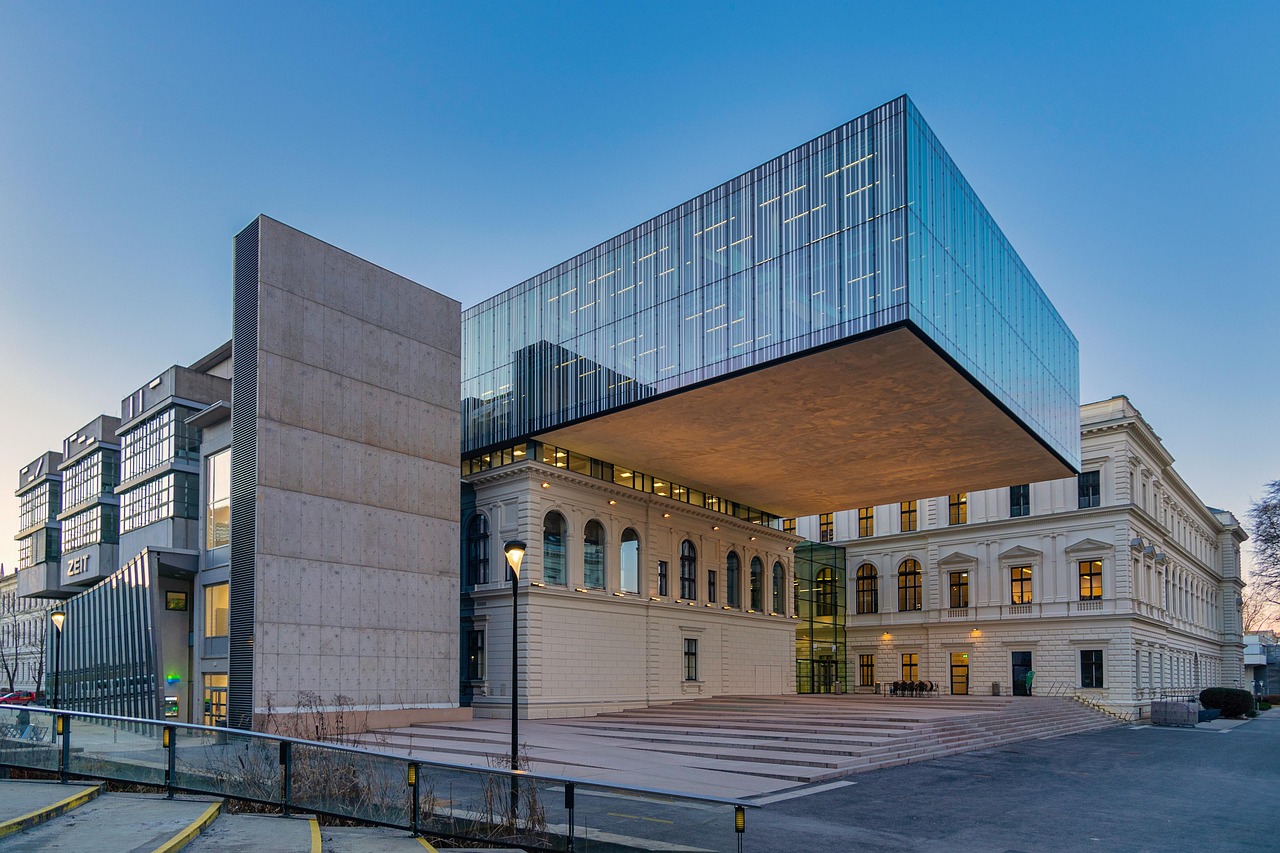
Posted on August 10, 2026 By alertblitz No Comments on Cybersecurity School Bangor Maine: Online National Reach, Campus Details
Cybersecurity School Bangor Maine: Online National Reach, Campus Details

Key Takeaways Bangor University’s physical hub is strategically located in Northern Ireland, offering a centralized space for students and staff. The main campus can be reached at +44 (0)28 7098 8800, providing direct contact for inquiries. Despite its brick-and-mortar base, the university delivers programs entirely online on a national scale. This hybrid model allows Bangor…

Read More “Cybersecurity School Bangor Maine: Online National Reach, Campus Details” »

cyber-degree-bangor

Archives

  • August 2026

Categories

  • cyber-degree-bangor
  • cybersecurity-career-path
  • digital-forensics-degree-guide

Recent Posts

  • Cybersecurity School Bangor Maine: Online National Reach, Campus Details
  • Digital Forensics: Evidence Handling to Reporting – Online Training
  • Map Cybersecurity Career: Help Desk to Architect

Recent Comments

No comments to show.
  • cybersecurity-school-bangor-maine-online-640x480-x9gxw0
    Cybersecurity School Bangor Maine: Online National Reach, Campus Details cyber-degree-bangor
  • digital-forensics-evidence-handling-to-r-640x480-o30gub
    Digital Forensics: Evidence Handling to Reporting – Online Training digital-forensics-degree-guide
  • map-cybersecurity-career-help-desk-to-ar-640x480-d2mc98
    Map Cybersecurity Career: Help Desk to Architect cybersecurity-career-path

Copyright © 2026 Alert Blitz.

Powered by PressBook News WordPress theme